Avoid access mistakes for Hammersmith removals in narrow streets
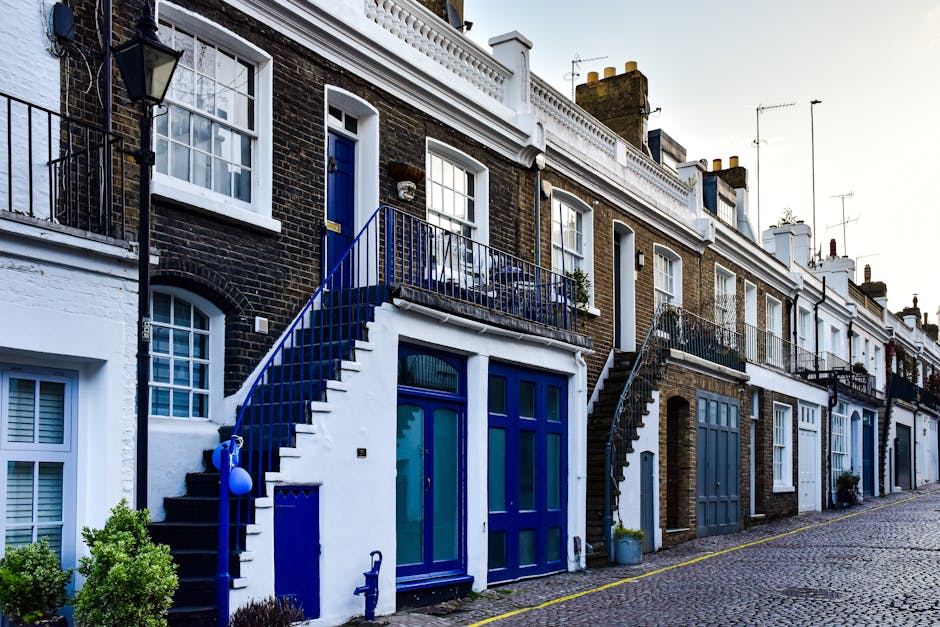
If you are moving in Hammersmith, the street itself can be half the battle. Tight turns, parked cars, low-hanging branches, awkward mews-style access, and impatient traffic all turn a simple removal into a careful logistical job. That is why it pays to avoid access mistakes for Hammersmith removals in narrow streets before a single box leaves the flat. Get the access plan right, and the move feels calm. Miss the obvious detail, and suddenly you are dealing with delays, extra labour, stressed neighbours, and possibly a van that simply cannot get close enough.
This guide breaks the problem down in plain English. You will learn how access planning works, which mistakes cost people time and money, and what practical steps make the biggest difference on moving day. A few of the ideas are straightforward, to be fair, but the tricky part is doing them in the right order. Let's get that sorted.
Expert summary: In narrow Hammersmith streets, the best removals are rarely the biggest or the fastest. They are the ones that are planned around vehicle size, loading access, parking, timing, and the actual shape of the street, not just the postcode.
Why Avoid access mistakes for Hammersmith removals in narrow streets Matters
Access mistakes are not just an inconvenience. In a neighbourhood like Hammersmith, they can change the whole shape of the move. A van that cannot park close enough means more carrying time. More carrying time means more labour. More labour means more cost and more risk of damage. It is a long, ugly chain, and it starts with a small assumption such as "the van should be fine there".
Narrow streets also tend to hide problems until the day itself. A road can look passable on a quick visit, then become awkward once bins, delivery vans, school traffic, and residents' cars are all in place. That is why pre-move access checks matter so much. If you are moving from a flat, student property, or period house, the risks rise again because stairwells, shared entrances, and limited frontage often add another layer of difficulty.
Hammersmith also has a mix of busy main routes and very tight side streets. The contrast can catch people out. One minute the road looks manageable, the next minute the turning circle is hopeless. In our experience, the worst problems often happen not because the street is impossible, but because no one measured anything properly.
That is the real point here: access planning protects time, money, safety, and relationships with neighbours. It also makes it much more likely that your move runs in one clean flow instead of three frustrating stop-starts. If you want a broader look at how local life affects moving choices, this guide to living in Hammersmith gives useful context.
How Avoid access mistakes for Hammersmith removals in narrow streets Works
Good access planning is basically a chain of checks. You assess the street, the vehicle, the loading point, and the walk from the van to the property. Then you decide whether the move can be done directly, needs a smaller vehicle, needs timed loading, or needs extra help such as porters and shuttle runs. Simple in principle. Not always simple in practice.
The first question is whether the removal vehicle can physically get near the property without blocking traffic or scraping parked cars. The second is whether there is a safe place to stop for long enough to load or unload. The third is how far the team will need to carry items. A short distance on paper can feel much longer when you are carrying a wardrobe, a boxed TV, or a sofa through a cramped pavement gap.
Then comes timing. In narrow streets, 7:30 in the morning is very different from 11:30, and both are very different from the school run or evening rush. Street pressure changes by the hour. Even if parking is legal, access may still be poor if the road is full of moving vehicles or refuse collection is taking place. That is why smart movers look at the street as a living space, not a static map.
If the move involves bulky items, a service like furniture removals in Hammersmith can be particularly helpful because the handling plan can be built around those larger pieces from the start.
What typically gets checked
- Street width and turning space
- Parking restrictions and loading possibilities
- Stairways, lifts, and shared entrances
- Carrying distance from van to door
- Any low branches, bollards, or awkward corners
- Busy-time traffic and resident parking patterns
- Whether a smaller van would make the move easier
That list sounds basic, but it saves people from some very expensive "we assumed" moments.
Key Benefits and Practical Advantages
When access is handled properly, the benefits are obvious almost immediately. The move is faster, the crew is less fatigued, and the chance of knocking a mirror or catching a wall goes down. You also reduce the little irritations that can sour a moving day, like waiting for a driver to circle the block for the fifth time. No one enjoys that. No one.
The other big win is cost control. Poor access usually leads to extra time on site. In some cases, it may mean an extra porter, a second trip, or a different van size. If those things were not planned, the budget can drift quickly. Careful access prep keeps the move aligned with the original quote. If you are comparing prices, it is sensible to look at the broader pricing information on pricing and quotes so you know what is normally included and what is not.
There is also a less obvious benefit: better communication. When you prepare access details properly, you tend to brief everyone more clearly. That means the removals team knows where to go, what to bring, and what to avoid. The whole process becomes less reactive. A bit less "where are we parking?" and a bit more "right, let's get on with it".
| Benefit | What it means on the day | Why it matters |
|---|---|---|
| Less walking distance | Items move faster between property and van | Reduces labour and fatigue |
| Fewer hold-ups | Less circling, waiting, or double-parking stress | Keeps the schedule on track |
| Lower damage risk | Fewer tight corners and emergency manoeuvres | Protects furniture and property |
| Cleaner budgeting | Fewer surprise add-ons caused by access issues | Makes quotes easier to trust |
There is a business angle too. If your move is part of a commercial relocation, access problems can affect staff, equipment, and deadlines. That is especially true for busy premises, so it helps to read up on office removals in Hammersmith if your move is work-related.
Who This Is For and When It Makes Sense
Pretty much anyone moving in or out of a narrow street in Hammersmith should treat access planning as essential, but some people need it more than others. Flat movers are obvious candidates, especially where the property is in a terrace, mansion block, or upper-floor conversion. Students often underestimate this because they are focused on timing and cost, then realise the van cannot stop right outside. House movers can fall into the same trap if the road looks fine but is actually tight at both ends.
It also matters if you are moving on a tight schedule. Same-day moves leave less room for error, so a bad access guess can turn a workable plan into a messy one very quickly. If that sounds familiar, you may find same-day removals in Hammersmith useful when thinking about pace and planning under pressure.
And yes, this matters for specialist jobs too. A piano, for example, is not just heavy; it is awkward, sensitive, and unforgiving of narrow hallways. A few extra centimetres can make all the difference. The same goes for awkward antique furniture, oversized sofas, or office archives packed into heavy filing boxes.
Sometimes the need is obvious. Sometimes not. Truth be told, some of the biggest access headaches come from properties that look easy at first glance. A charming street, a polite front garden, a neat little doorway... then the van arrives and reality bites. Charming, yes. Convenient, not always.
Step-by-Step Guidance
Here is the practical way to handle access planning without overcomplicating it.
- Measure the street approach. Check width, corners, parked vehicles, and whether the van can stop near the entrance without blocking the flow of traffic.
- Identify the true loading point. The nearest legal stopping place may not be the best one. Look for the most realistic loading position, not the most optimistic one.
- Walk the route from van to door. Count steps, curbs, gates, and door widths. A 20-metre carry can feel much longer with awkward furniture.
- Check stairs, lifts, and corridors. Old buildings in Hammersmith can have narrow stairwells and corners that twist in ways you only notice when carrying a mattress.
- Match the vehicle to the street. Bigger is not always better. In some narrow streets, a smaller van or a man with a van in Hammersmith setup is a cleaner choice than a larger removal truck.
- Plan for parking and timing. Even if stopping space exists, the time of day can make the same street feel very different.
- Brief the removal team clearly. Tell them about access codes, intercoms, resident permits, sharp corners, and any fragile items that need a careful route.
- Build a fallback option. If the main stop point fails, know where the backup loading point is.
A small but important detail: tell the movers about access before they quote, not after. That one step helps avoid the awkward moment where the crew arrives with the wrong vehicle and everybody has to improvise.
If you need a broader overview of available help, the services overview is a sensible place to understand how different move types fit different access conditions.
Expert Tips for Better Results
In real moving jobs, the small things usually matter more than the dramatic ones. A few expert habits make narrow-street moves much smoother.
Tip one: treat the street like a loading bay, not a postcode. That means looking at actual stopping space, not just assuming a local road can handle a van because other vans exist there. Other vans may be there for three minutes. Your team may need thirty.
Tip two: think in metres, not guesses. If the van must stop further away, estimate the carry distance realistically. You do not need a surveyor's eye, but you do need a grounded estimate. This is where people often get caught out.
Tip three: protect the walking line inside the property. Narrow streets often go hand in hand with narrow entrances. Remove loose rugs, hold doors open properly, and clear the path in advance. It sounds minor, yet it saves a surprising amount of friction.
Tip four: keep one person focused on access. On moving day, the person with the keys is not always the best person to direct the van. Choose one calm point of contact who knows the plan and can answer access questions quickly.
Tip five: don't overfill the vehicle schedule. If access is uncertain, leave a bit of breathing room. Tight timing and tight streets are a bad mix. They tend to amplify each other.
One more thing. If you are moving delicate or unusual items, say so early. Specialist handling and access planning go together. That is especially true for piano removals in Hammersmith, where route planning really matters.
Common Mistakes to Avoid
Here is where people usually go wrong.
- Assuming the van can park right outside. That is the classic one. Sometimes it can. Often it cannot.
- Ignoring delivery and resident parking patterns. A street that is quiet at noon may be busy in the morning.
- Forgetting about loading restrictions. Legal parking and practical loading are not always the same thing.
- Not measuring doorways or hall corners. A sofa that clears the van is not automatically going to clear the stairwell.
- Choosing the wrong vehicle size. Too large and you create access problems. Too small and you create extra trips.
- Leaving access details until the day before. By then, options can be limited.
- Underestimating neighbour impact. Narrow streets are shared spaces. Blocking them badly creates avoidable tension.
There is also a more subtle mistake: treating access as a last-minute operational issue rather than a core part of the move plan. It is not the garnish. It is the plate. Bit dramatic, maybe, but you get the idea.
If you are trying to keep the full move within budget, it is also worth understanding how access problems can create hidden charges. That is covered well in avoid hidden fees in Hammersmith removals, which is a useful companion read.
Tools, Resources and Recommendations
You do not need fancy software to plan access properly. Often, the best tools are the simplest ones used carefully.
- Phone photos of the street, front entrance, stairwell, and parking area.
- Basic measurements of doors, lifts, hallways, and any tight bends.
- A written access note with gate codes, buzzer names, and stopping instructions.
- Time-of-day observation so you know when the street is usually clearest.
- A floor plan or room list for moves involving lots of furniture or office equipment.
- Storage backup if the move needs staging because access is not straightforward.
If you are not sure whether you need temporary storage, the storage options in Hammersmith can make a awkward move feel far more manageable. That can be especially helpful when access is only available at certain times or when you are moving in stages.
For packing, a little extra care goes a long way. Heavier boxes should be smaller, and lighter items should not be packed in giant cartons just because they fit. It may seem obvious, but on a narrow staircase, a badly packed box becomes everybody's problem.
If you need packing help, look at packing and boxes in Hammersmith as part of your preparation. Good packing supports good access. The two are linked more than people realise.
Law, Compliance, Standards, or Best Practice
With removals in narrow streets, the important thing is to follow normal UK road and property good practice, and to respect local parking restrictions, access rules, and building requirements. That sounds obvious, but it is where a lot of problems begin. The moving team should not block emergency access, should not park dangerously, and should not assume that a loading point is acceptable just because it is convenient.
Best practice also means being considerate around shared entrances, communal hallways, and neighbours' access. In blocks of flats, lease terms or building management rules may affect when movers can use lifts, where items can be left, or whether protective floor coverings are needed. None of that is glamorous. All of it matters.
For many moves, the safest approach is to use the smallest practical vehicle that still handles the load efficiently, and to communicate access constraints clearly in advance. If a building has narrow stairs, a lift that is too small for larger items, or no waiting space outside, the plan should reflect that from the start.
There is also a safety angle. Good manual handling matters when furniture must be carried farther than expected. Clear routes, manageable box sizes, and sensible team coordination are all part of standard moving best practice. If you want to see how a company frames safety and responsibility more broadly, the pages on insurance and safety and health and safety policy are relevant reading.
Sometimes people worry that a narrow street automatically means a failed move. Not true. It usually just means the plan has to be smarter than average. That is a much better problem to have.
Options, Methods, or Comparison Table
There is no single perfect method for narrow-street removals. The best choice depends on access, volume, timing, and how much carrying distance you are willing to tolerate. Here is a simple comparison.
| Method | Best for | Pros | Trade-offs |
|---|---|---|---|
| Large removal van | Bulkier moves with decent access | Fewer trips, efficient loading | Can struggle in tight streets or restricted parking |
| Smaller van or man and van service | Narrow roads, smaller households, student moves | Easier access, more flexible stopping | May need more careful loading and perhaps more than one run |
| Shuttle approach | Very tight streets or blocked frontage | Works when direct parking is not possible | Extra handling time and coordination needed |
| Staged move with storage | Complex access, timing gaps, or phased occupation | Reduces pressure on one moving day | Involves extra planning and storage coordination |
For many local moves, a flexible option is better than a big vehicle by default. Pages like man and van Hammersmith and man and a van Hammersmith are useful if your priority is access flexibility rather than maximum load size. There is no prize for squeezing a lorry into a street that clearly does not want it.
Case Study or Real-World Example
A fairly typical example: a couple moving out of a top-floor flat near a narrow residential street in Hammersmith. The building had a shared entrance, a tight staircase, and very limited stopping space outside. At first glance, the street looked manageable. The catch was that resident parking filled the best side of the road by mid-morning.
Instead of sending in a large van and hoping for the best, the move was planned around a smaller vehicle and a clear loading window. The team pre-walked the route, checked the stair turns, and packed the heaviest items into smaller boxes. That alone made a huge difference. The piano stool, side tables, and framed art were all handled without drama. No one had to reverse halfway down the street or wait for a random gap in traffic. Plain boring efficiency. Lovely stuff.
The real lesson was not that the move was easy. It was that the team treated the street as part of the job, not a background detail. That one change kept the whole day stable. The clients were relieved, the movers were less tired, and the neighbours barely noticed beyond the normal short burst of activity.
If your move has special timing or extra pressure, it can help to read about common problems with same-day movers in Hammersmith. Access issues and time pressure tend to feed each other.
Practical Checklist
Use this checklist a day or two before the move. It is simple, but it catches the usual problems.
- Have you measured the front access, doorway, and stair width?
- Do you know exactly where the van can stop?
- Have you checked parking or loading restrictions for the time of day?
- Do the movers know about gates, intercoms, or access codes?
- Have you warned neighbours if the move may briefly affect shared access?
- Are fragile items packed for narrow carrying routes?
- Is the largest furniture item actually likely to fit through the route?
- Have you chosen the right vehicle size for the street?
- Do you have a backup parking or loading point?
- Have you set aside extra time for stairs, carrying distance, and traffic?
Quick rule: if you are unsure about one access point, assume it will be slower than you expect. That small bit of caution usually saves a bigger headache later.
Conclusion
Narrow streets do not have to ruin a move, but they do punish vague planning. If you want to avoid access mistakes for Hammersmith removals in narrow streets, focus on the street itself, not just the property. Measure properly, choose the right vehicle, think about timing, and tell your removals team the awkward details early. That is where the difference lies.
The good news is that access problems are usually preventable. Most of the stress comes from assumptions, not from the street on its own. Once you remove those assumptions, the whole process becomes much more manageable. A bit of thought at the start really does save a lot of clatter later on.
Get a free quote today and see how much you can save.
And if the move feels complicated, that is normal. Hammersmith has plenty of tight corners and busy roads, but with the right plan, you can still move through them with confidence. One step at a time. Nice and steady.
Frequently Asked Questions
How do I know if my Hammersmith street is too narrow for a removal van?
If the van cannot stop without blocking traffic, if turning in is awkward, or if parked cars leave little room to position safely, the street is probably too tight for a large vehicle. A smaller van or shuttle approach may work better.
Should I measure the street before booking removals?
Yes, absolutely. Even a rough measurement of the front access, doorway width, and carry distance helps the removals team choose the right vehicle and estimate time more accurately.
What happens if the van cannot park outside my flat?
The team may need to park further away and carry items over a longer distance, which can add time and labour. In some cases, they may switch to a smaller vehicle or adjust the moving plan.
Is a man and van service better for narrow streets?
Often, yes. A more flexible vehicle can be easier to position in a tight road. That said, the best option depends on what you are moving and how much volume you have.
Do narrow streets mean my move will cost more?
Not always, but access difficulty can affect time on site and staffing needs. If the move takes longer because the van is far from the door, the cost can increase.
How far in advance should I share access details?
As early as possible, ideally when requesting a quote. Waiting until the day before can limit the team's options and lead to avoidable problems.
What access details are most important to mention?
Parking restrictions, loading bay access, staircases, lift size, entrance codes, and any low ceilings or sharp corners are the big ones. If there is a tricky bit, mention it.
Can movers handle bulky furniture in a narrow street?
Yes, but it needs planning. Furniture should be assessed against both the street access and the internal route. Larger pieces sometimes need to be moved at specific times or by a smaller team.
What if my building has no lift?
That is common in older Hammersmith properties. It just means the team should plan for stairs, more carrying time, and possibly more protection for walls and floors.
Should I book storage if access is difficult?
Storage can be a sensible backup if the move has timing gaps or access limitations. It is especially useful when you cannot complete everything in one trip.
How do I avoid neighbour complaints on moving day?
Keep loading times sensible, avoid blocking shared entrances, and make sure the crew is briefed clearly. A little courtesy goes a long way in narrow residential streets.
What is the safest way to move in a very tight street?
Use the smallest practical vehicle, plan the load route, keep items well packed, and allow extra time. Safety usually improves when the job is slowed down just enough to be sensible.