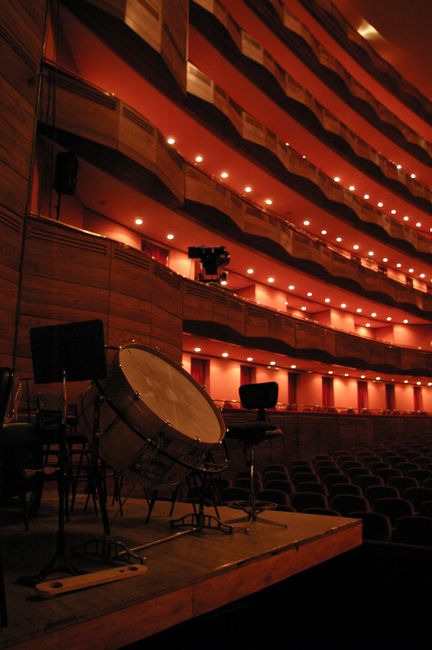
Lyric Hammersmith instrument removals and staging moves
If you are planning Lyric Hammersmith instrument removals and staging moves, you already know this is not a normal "move a few boxes and call it a day" job. Instruments can be delicate, staging can be awkward, and theatre spaces have their own rhythm, access points, and timing pressures. One trolley in the wrong place, one rushed lift, and the whole schedule starts to wobble. That is why the right approach matters so much.
This guide breaks the process down in plain English. You will learn how these moves work, what makes them different from standard removals, where the risks sit, and how to plan things properly so rehearsals, performances, or technical reloads stay on track. We will also cover checklists, common mistakes, and the small details that tend to save the day.
Why Lyric Hammersmith instrument removals and staging moves Matters
The Lyric Hammersmith is the kind of venue where timing, care, and coordination are everything. Instruments are not just "items"; they are working tools, often tuned, fragile, expensive, and sometimes emotionally loaded. Staging pieces are similar. They may be modular, but they still need to be handled in the right sequence, with the right people, and without damaging floors, walls, or the equipment itself.
What makes this topic especially important is that theatre and live-event spaces rarely have the luxury of slack time. You may have a fit-up window before doors open, a narrow access route through backstage areas, or a need to load in after another production has only just wrapped. That means the move has to be smooth, not just "careful". Smooth means predictable. Predictable means the whole team can relax a little, which, let's face it, is worth a lot on a busy day.
There is also a wider operational side. Good moving practice protects the venue's reputation, reduces risk of damage claims, and keeps production teams focused on the show rather than the logistics. In our experience, the jobs that go best are the ones where everyone understands the plan before anything is lifted. No mystery. No improvisation at the loading bay. Just clear steps and calm heads.
For those organising wider removals in the area, it can help to understand the broader moving context too. Pages like removals in Hammersmith and insurance and safety guidance are useful if you are comparing how specialist work differs from a standard domestic move.
How Lyric Hammersmith instrument removals and staging moves Works
At its core, this kind of move is a controlled sequence: assess, prepare, protect, move, place, check, and confirm. Sounds simple. In practice, each step can have several moving parts, especially when instruments, stage sections, lighting risers, props, cables, or control gear are involved.
A good provider will normally start with a site review or a detailed briefing. That means identifying access points, lift dimensions, stairwells, parking arrangements, door widths, and any pinch points backstage. They will also want to know what is being moved, whether anything is unusually heavy or sensitive, and how the destination space is arranged. If a piano, drum kit, amp stack, rostra section, or staging deck has a known issue, it should be flagged early.
Then comes packing and protection. Instruments may need padded cases, blankets, straps, wrapping, or climate-aware handling depending on the item. Stage materials may require corner protection, non-slip securing, and stack planning so they travel without shifting. It is boring work to watch, maybe, but it is the boring work that prevents the loud problems later.
Finally, the move itself is carried out with a blend of lifting technique, team coordination, and route discipline. The person at the front should not be guessing what the person at the back is doing. The load should move in one clear rhythm. When that happens, the whole thing feels almost quiet, even when there is plenty going on around it.
If you need a broader understanding of local move types, the company's services overview and piano removals information can help you see how specialist handling is normally approached.
Key Benefits and Practical Advantages
Specialist instrument and staging handling offers more than damage prevention, although that alone is a big one. Done well, it can make the entire production changeover faster and less stressful. That matters whether you are shifting a few key instruments between rehearsal rooms or moving a full stage setup before a public event.
- Reduced breakage risk: Fragile shells, keys, strings, valves, finishes, and fittings are protected properly.
- Better time control: Planned routes and sequencing reduce delays during load-in and load-out.
- Less venue disruption: Floor protection, quiet handling, and tidy staging reduce knock-on issues for staff and performers.
- Clearer accountability: When the process is documented, everyone knows what was moved and where it was placed.
- Improved confidence: Technical teams can focus on the production rather than worrying about transport damage.
There is a practical financial benefit too. Preventing one damaged instrument, one scratched stage panel, or one failed set move can save far more than the cost of careful handling. To be fair, it is usually the small stuff that gets expensive. A loose pedal board or chipped upright might not look dramatic at first, but the repair bill and disruption can sting.
If budget is part of the decision, it is sensible to compare options carefully. A useful starting point is pricing and quotes, along with competitive prices if you are trying to balance value and specialist care.
Who This Is For and When It Makes Sense
This type of move is relevant to more people than you might think. It is not only for major theatre productions with a big technical crew. It also makes sense for smaller performance spaces, community arts groups, schools, touring acts, venue managers, and anyone responsible for careful movement of equipment inside a building with tight access or time pressure.
You might need this service if you are:
- moving instruments into or out of a performance venue;
- changing stage layouts between productions;
- repositioning sound or backline equipment;
- moving risers, platforms, flats, or modular stage sections;
- coordinating load-ins for touring performers;
- storing equipment safely between dates;
- needing a same-day response after a scheduling change.
For venue teams, the decision often comes down to risk and timing. If the items are awkward, the access is tight, or the deadline is fixed, specialist support makes sense. If it is a small, straightforward move with light equipment and plenty of time, a simpler arrangement may be enough. That judgement call matters. Not every job needs a full production-scale operation, and that is fine.
Some readers also find it helpful to look at related service patterns, such as man with a van in Hammersmith or removal services in Hammersmith, especially when the move involves a mix of light gear and larger stage pieces.
Step-by-Step Guidance
Here is a practical way to organise the job from start to finish.
- List everything that is moving. Break it into categories: instruments, cases, cabling, stands, stage decks, props, and any fragile accessories.
- Measure the awkward bits. Doorways, stair corners, lift size, and vehicle access should be checked before the move day. Guessing here is a bad hobby.
- Assign responsibility. Decide who signs off on what, who escorts the movers, and who confirms final placement.
- Protect the venue. Use floor runners, corner guards, blankets, and straps where needed. Backstage corridors can take a beating if nobody thinks ahead.
- Pack and label clearly. Mark cases by room, department, or order of use. A simple label can save a lot of head-scratching later.
- Load in sequence. Place heavier, stable items first and keep fragile pieces secure and upright when possible.
- Set down carefully. Move items to their pre-agreed positions, not "roughly there". The difference matters more than people think.
- Check and confirm. Inspect for damage, missing parts, loose fittings, or setup issues before the team disperses.
A lot of problems happen because people skip the final check. The move is technically "done", everyone is tired, and then somebody notices a missing clamp or a scuffed case 20 minutes later. It is a small moment with annoying consequences. Build in the check. Always.
Expert Tips for Better Results
Experienced crews tend to focus on a few high-value habits. These are not flashy, but they work.
1. Treat the route as part of the job
The route from van to stage matters as much as the lift itself. Look for uneven flooring, narrow turns, cables on the ground, and anything that could catch wheels or boots. A clear route is often the difference between a calm job and a messy one.
2. Keep instrument handling separate from general freight
If possible, do not mix delicate instruments with generic furniture or bulky props. Different items need different handling priorities. When everything goes into one pile, friction starts. Quite literally, sometimes.
3. Use the right team size
Too few people and the move slows down. Too many and coordination gets clumsy. The sweet spot depends on the load, the access, and the venue layout. A good mover will judge that early rather than halfway through the stairwell.
4. Plan for the unexpected gap
Maybe the lift is unavailable for ten minutes. Maybe another production is still clearing. Maybe the loading bay is busier than expected. Leave small buffers in the plan, because theatre logistics rarely behave exactly on script.
5. Protect the finish, not just the structure
It is easy to think only about major damage. But polished wood, lacquered surfaces, drum hardware, and stage edging can all show wear quickly. If the item will be seen by an audience, that cosmetic side matters too.
For practical wrap materials, packing support, and short-notice load protection, packing and boxes in Hammersmith can be a useful related page to review. And if the job needs to move quickly, same-day removals may be worth considering.
Common Mistakes to Avoid
These are the mistakes that cause most of the avoidable stress.
- Not checking access early: A beautiful plan means very little if the gear cannot fit through the route.
- Using the wrong packing materials: Thin wraps, loose tape, and unpadded edges are asking for trouble.
- Failing to label cases: Without labels, the setup crew ends up re-checking everything manually.
- Leaving heavy items to the end: That is when fatigue is highest and mistakes creep in.
- Forgetting venue-specific rules: Loading restrictions, floor protection requirements, and timings can all trip people up.
- Assuming "careful" means "slow": Slow is not the same as controlled. You want both, but the control is the real magic.
One of the stranger habits is under-communicating. Teams may know the broad task but not the exact order. Then someone shifts a piece because they think it helps, and suddenly the next move has to be reversed. Not ideal. A quick briefing can save the entire afternoon.
Tools, Resources and Recommendations
The exact kit depends on the job, but most well-run moves rely on a familiar core set of tools and materials:
- padded blankets and wraps;
- ratchet straps or secure tie-downs;
- trolleys and dollies suited to the load;
- corner protectors and edge guards;
- labels, marker pens, and item sheets;
- floor protection materials;
- gloves with enough grip for controlled handling;
- basic tool kits for disassembly and reassembly where appropriate.
Depending on the scale of the move, you may also need temporary storage. That can be useful if the stage configuration is changing in phases, or if equipment is being held between rehearsal periods. The page for storage in Hammersmith may help if you are looking at off-site holding options.
If the move is part of a larger building change or production reset, it can also be smart to review furniture removals in Hammersmith and flat removals as reference points for handling awkward, high-value items in tight spaces. Different context, yes, but the core handling discipline is surprisingly similar.
Law, Compliance, Standards, or Best Practice
For theatre and venue moves, compliance is less about one single rule and more about doing a number of ordinary things properly. That usually includes safe lifting, risk assessment, suitable vehicle loading, clear communication, and respect for the venue's own access controls. If a contractor is working on site, they should be able to explain how they manage safety, damage prevention, and accountability.
In the UK, practical best practice generally means following sound manual handling principles, keeping walkways clear, using the right equipment, and not asking staff to lift beyond what is reasonable. If anything feels borderline unsafe, it probably is. Better to pause for two minutes than push through and regret it for two weeks.
Insurance is another important area. You do not need dramatic language here; you need clarity. Ask what is covered, how items are protected, and what the process is if something is damaged. It is also worth reading the provider's policies, including health and safety policy, terms and conditions, and privacy policy so you know how information and responsibilities are handled.
If sustainability matters to your production or venue, there is a sensible case for reducing waste, reusing packing materials where possible, and recycling responsibly. The page on recycling and sustainability is relevant if you want to think about the move with a lighter footprint. Not glamorous, but genuinely useful.
Options, Methods, or Comparison Table
There is no single correct method for every move. The right choice depends on the size of the load, the time window, and how much specialist care is needed. Here is a simple comparison.
| Method | Best for | Strengths | Watch-outs |
|---|---|---|---|
| Self-managed crew move | Small, low-risk internal shifts | Flexible, inexpensive, familiar to in-house teams | Higher risk if training, equipment, or time is limited |
| Man and van support | Light to medium loads, short-distance moves | Practical, quick to arrange, good for smaller jobs | May not suit heavy or highly sensitive items without extra care |
| Specialist removal team | Instruments, stage gear, delicate or awkward items | Better handling, stronger planning, clearer accountability | Usually more expensive than basic transport only |
| Full production logistics support | Complex venue changes, multi-part load-ins, tight schedules | Best coordination and end-to-end control | Needs more briefing and usually more lead time |
If you are unsure which route makes sense, start by asking how much of the move is genuinely delicate, how many people are involved, and whether the schedule allows any slack at all. That usually reveals the answer pretty quickly.
Case Study or Real-World Example
Here is a realistic example based on the kind of work this topic often involves.
A small performance team needed to move a selection of instruments, a few modular stage pieces, and control accessories after a late programme change. The venue access was fine in theory, but the loading window was tight, and the backstage route included one awkward turn that could easily have caused a snag. Nothing dramatic. Just the sort of detail that tends to get ignored until the wrong moment.
The team first split everything into three groups: fragile instruments, structural stage items, and loose accessories. They labelled each group by destination and sequence, wrapped the instruments separately, and protected the stage edges with extra padding. Before the move, they walked the route once with the movers and checked where the narrow point was. That one minute of prep saved a lot of faffing later.
Because the setup was planned in order, the stage pieces landed in the right place first, followed by the instruments, then the small items. The final check took only a few minutes, but it confirmed nothing had shifted and every case was accounted for. Job done, and nobody had to make a panicked return trip after the room had already been cleared.
It sounds simple, and in a way it was. But simple only after the careful bits had been done well. That is usually the story.
Practical Checklist
Use this checklist before the move starts.
- All instruments and staging items are listed.
- Fragile, heavy, and awkward items are identified in advance.
- Access routes, lifts, stairs, and door widths are checked.
- Parking or vehicle access is confirmed.
- Packing materials and protective wraps are ready.
- Items are labelled by department, room, or sequence.
- The team knows who is in charge on the day.
- Timing windows are shared with everyone involved.
- Insurance, safety, and site rules have been reviewed.
- Final placement and sign-off have been agreed.
One small extra tip: keep a spare marker pen, a roll of tape, and a printed item list handy. They tend to disappear at the exact moment you need them. Funny how that works.
Get a free quote today and see how much you can save.
Conclusion
Lyric Hammersmith instrument removals and staging moves are all about precision without panic. When the planning is clear, the packing is sensible, and the team understands the route, the whole process becomes much more manageable. That is true whether you are moving a single instrument, a stack of stage components, or a full performance setup with a tight turnaround.
The main lesson is simple enough: prepare earlier than feels necessary, protect more carefully than you think you need to, and keep communication direct. Those three habits solve a surprising amount of trouble. And if the job feels a bit too complex to wing, that is usually your clue to bring in proper support. No shame in that. In fact, it is the sensible move.
Choose the calm option where you can. Future-you will be grateful, probably with coffee in hand and no damaged gear to deal with.
Frequently Asked Questions
What are Lyric Hammersmith instrument removals and staging moves?
They are specialist moving jobs involving instruments, stage equipment, and performance-related items in or around the Lyric Hammersmith. The focus is on safe handling, efficient timing, and protecting both gear and venue space.
Why do these moves need specialist handling?
Because instruments and staging items can be fragile, awkwardly shaped, heavy, or expensive to replace. Specialist handling helps reduce breakage, delays, and venue damage.
Can a standard removal service handle theatre equipment?
Sometimes, yes, but only if the items are straightforward and the access is easy. For delicate instruments or complex staging, specialist experience is usually the safer choice.
How far in advance should I plan the move?
As early as you reasonably can. The more access checks, packing, and briefing needed, the more lead time helps. For short-notice changes, same-day support may be useful.
What should be packed separately?
Fragile instruments, small fittings, cables, accessories, and anything that might shift or scratch should be separated. Stage pieces and sound equipment should also be grouped carefully.
What is the biggest risk during a stage move?
Usually it is a combination of poor route planning, rushed lifting, and unclear responsibilities. The actual item may be fine; the trouble often comes from the process around it.
Do I need insurance for this kind of job?
It is wise to understand what insurance and liability cover are in place before the move begins. Ask how items are protected and what happens if damage occurs.
How do I know whether I need a man and van or a specialist crew?
If the load is light, the route is simple, and timing is flexible, a smaller service may be enough. If you have fragile instruments, multiple stage sections, or a tight schedule, go specialist.
Can equipment be stored between rehearsals or shows?
Yes, and temporary storage can be very helpful if the move is happening in stages or the venue needs space cleared between dates.
What should I ask before booking?
Ask about access checks, packing materials, team size, timing, insurance, and whether the provider has handled similar venue or performance moves before.
How can I keep the move on schedule?
Label everything, confirm the route, assign a lead person, and build in a small buffer. It is also smart to keep the final sign-off quick and tidy so nothing is left uncertain.
Where can I find more information about moving in Hammersmith?
Useful background can be found in pages about local moving options such as house removals in Hammersmith, removal companies in Hammersmith, and Hammersmith Bridge moving tips. They are not theatre-specific, but they do give helpful context on local logistics.